


This post was originally published on April 13, 2022. It was edited extensively on April 19, 2024 and then again on March 11, 2026.
Here’s something most people don’t think about: your makeup bag is probably making you break out.
Not because you’re doing anything wrong — but because expired products, contaminated brushes, and formulas that don’t match your skin type silently work against you every single time you apply makeup.
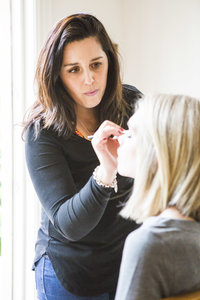
As a professional makeup artist, hygiene is non-negotiable in my kit. I sanitize between every client, every single time. But over the years, I’ve seen inside a lot of personal makeup bags — and most of them could use a serious reset.
This is that reset.
I’m taking you through a spring cleaning process that goes beyond tossing old mascara. We’re auditing your entire collection, cleaning what stays, organizing what’s left, and responsibly dealing with the rest — so your beauty routine actually supports your skin instead of working against it.
Seven steps. Let’s get into it.
Step 1: Do The Great Dump

Pull everything out. Every. Single. Thing.
Check your bathroom, your purse, your gym bag, your travel bag, your car, your bedside table, your beauty fridge. If it’s a beauty product, it goes on the table.
This is the Marie Kondo moment — you need to see everything at once before you can make good decisions about any of it.
Once it’s all out, group it into broad categories:
- Skincare (cleansers, serums, moisturizers, SPF, masks, sprays)
- Face makeup (foundation, concealer, setting powder)
- Eye makeup (eyeshadow, eyeliner, mascara)
- Cheek & lip products (blush, bronzer, highlighter, lipstick, gloss, balm)
- Tools (brushes, sponges, puffs)
Already spotting things you forgot you owned? Things you’ve never opened? Set those obvious discards aside — we’ll deal with them at the end.
Step 2: The Edit — What Stays, What Goes
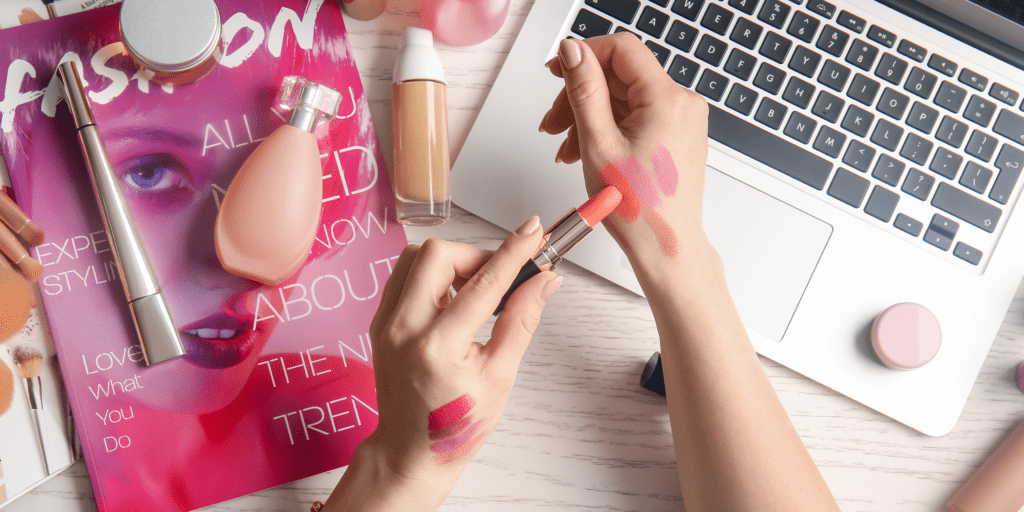
Now you’re going to make decisions. Work through each category using three filters:
Filter 1: Is it expired?
Products don’t come with obvious expiration stamps — look for the small open-jar symbol (called the PAO — Period After Opening) on the packaging. That number tells you how many months the product is safe to use after opening.
Here’s the quick reference guide:
- Toss after 3–6 months: Mascara, liquid eyeliner, gel eyeliner
- Toss after 12 months: Foundation, concealer, cream blush/bronzer/highlighter, eyeshadow, lip gloss, eye cream
- Toss after 24 months: Lipstick, pencil eyeliners (that you sharpen regularly), powder blush/bronzer/highlighter, setting powder, moisturizers
And even before you hit those dates — toss it immediately if the formula has separated, changed texture, developed a strange smell, or irritated your skin. Your nose and skin know.
Filter 2: Is it formulated for your skin type?
This one trips people up. A moisturizer that’s too heavy for oily skin will cause your foundation to slide. A mattifying formula on dry skin will look cakey by noon. Using the wrong formula for your skin type isn’t just uncomfortable — it’s why your makeup stops working.
If you don’t know your skin type yet, pause here and grab my free skin type guide. It’s a 2-minute quiz that changes how everything else works.
Any product not formulated for your skin type goes in the discard pile.
Filter 3: Will you realistically use it?
Be honest. If you haven’t reached for something in the past year, you’re not going to. The exception: if it’s unopened, unexpired, and in good condition — set it aside to donate.
One last thing before you finalize your “keep” pile: most makeup is multifunctional. Before you toss something, ask if it has a second use. Eyeshadow can double as liner or brow filler. Cream blush works on lips for a monochromatic look. A foundation in the wrong shade can be mixed with your correct shade. Think versatility before discarding.
Step 3: Clean & Sanitize Everything That’s Staying
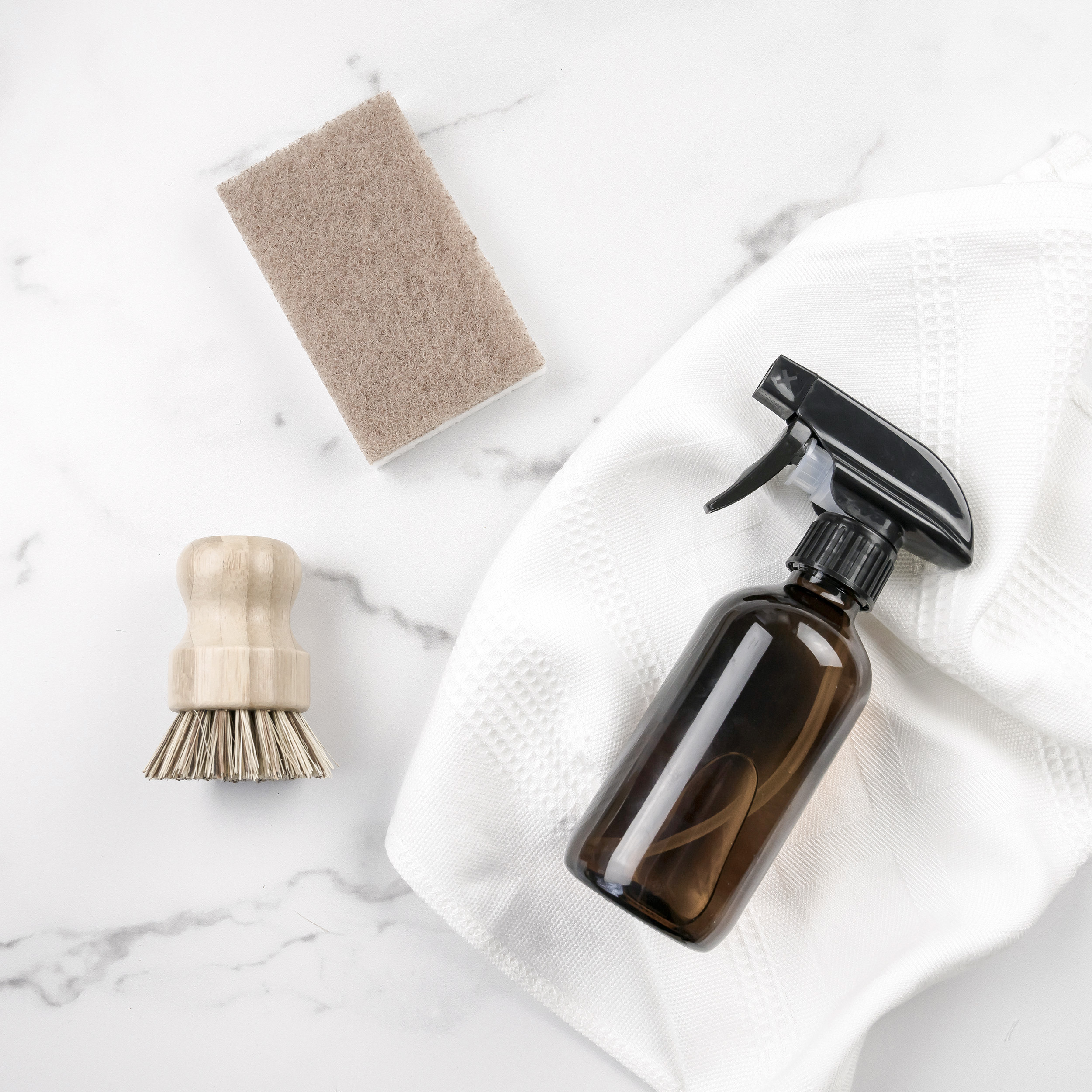
Now that you know what’s staying, clean it before it goes back into your collection. This step is what separates a real kit refresh from just reorganizing the same old mess.
Powder products: Spray generously with 70% isopropyl alcohol and let it air dry. The percentage matters — less than 70% evaporates too fast to actually sanitize; more than 70% doesn’t sanitize as effectively. 70% is the sweet spot. This works on eyeshadow, pressed powder, blush, bronzer, highlighter — anything in a pan.
Cream and liquid products: These can’t be sprayed and sanitized the way powders can, which is exactly why expiration dates matter more here. If you’ve been double-dipping a concealer wand back into the tube after touching a blemish, that product is contaminated — full stop. Going forward, use a clean spatula to scrape product onto the back of your hand before applying. It sounds fussy, but it’s the difference between clearing your skin and constantly re-infecting it.
Product exteriors: Wipe down the outside of everything with a clean cloth or alcohol wipe.
Makeup bag: Throw it in the washing machine. While you’re at it, toss any brushes or cases you never use.
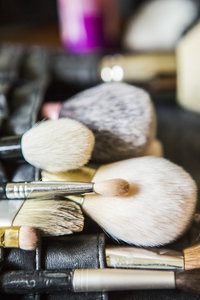
Your brushes and sponges: This is where most people’s routines fall apart. Dirty brushes don’t just look grimy — they transfer bacteria back onto your skin every single application and make your makeup look muddy no matter how good your technique is. Wash with a gentle, fragrance-free cleanser (baby shampoo is genuinely as effective as professional brush cleansers and costs almost nothing). Monthly at minimum; weekly if you’re acne-prone or use them daily.
Want the full breakdown? I have a complete guide to sanitizing your makeup — every product type, every tool, step by step.
Quick hygiene reminders that I’ll never stop saying:
- Never share mascara. Eye infections spread fast.
- Never share lip products. Cold sores and other infections transfer through lipstick and gloss.
- Never use beauty counter testers directly on your face. Ask for a sample in a clean container, or skip them entirely.
Step 4: Organize What’s Left
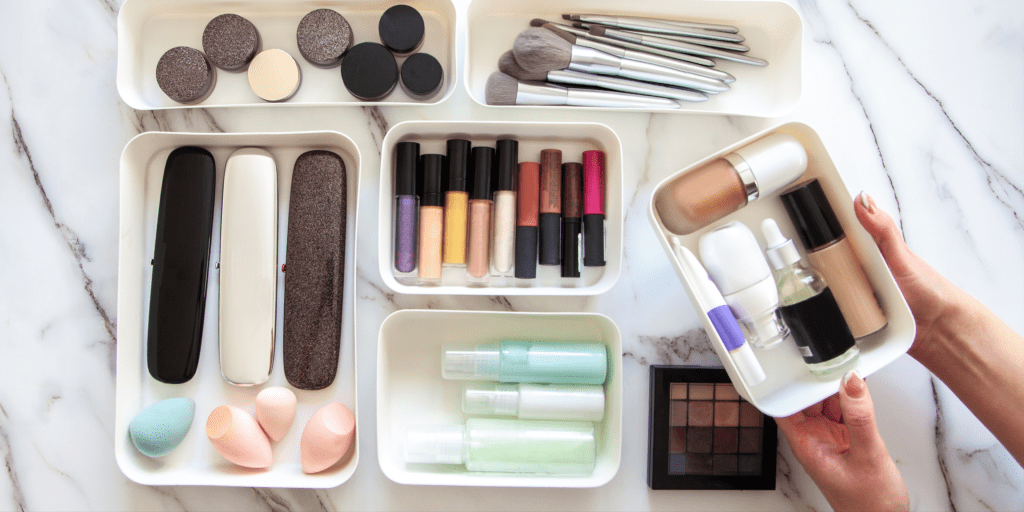
An organized collection is one you’ll actually use. Here’s how I think about it:
Organize by frequency, not category. This is the one most people get wrong. They organize by product type — all lip products together, all eye products together — and then can’t find anything when they’re doing their actual routine. Instead, keep your daily products front and center and everything else in clear organizers or bags where you can still see it at a glance.
Keep skincare and makeup in separate spaces. Your skincare routine and your makeup prep are two different steps that happen in a specific order — and mixing them up is one of the most common reasons makeup doesn’t apply well. I keep my skincare organized by the order I use it (cleanser, toner, moisturizer, SPF) above my sink. Makeup lives somewhere else entirely, organized for the order I apply it.
Protect your products from heat and light. Both break down formulas faster than the expiration date accounts for. A hot, steamy bathroom is genuinely aging your products. Keep your collection in a cool, dry space away from direct sunlight — especially natural-hair brushes, which can shed when stored in humidity.
Create an on-the-go bag. If you ended up with duplicate products after the purge, build a dedicated gym bag or purse kit. Two complete kits — one at home, one on the go — is smarter than transferring the same products and forgetting them somewhere.

Thinking about condensing your collection further? Depotting is how makeup artists maximize small kits — you remove products from their original packaging and consolidate them into custom palettes. It sounds advanced but it’s more accessible than most people think. Here’s my guide to depotting like a pro.
Step 5: Deal With the Discard Pile Responsibly

Before anything hits the trash, look at what you’ve got:
For unopened, unexpired products: These are the easiest to rehome. Offer them to a friend whose skin type aligns (this matters — a moisturizer that didn’t work for your oily skin might be exactly right for someone with dry skin). Local shelters and non-profit organizations often accept personal care donations too.
For expired or used products: Most of this can’t be donated, but disposal doesn’t have to mean straight to landfill.
- Nail polish is classified as hazardous waste and cannot go in the trash or recycling. WikiHow has a thorough guide on how to dispose of nail polish responsibly — the approach differs depending on whether it’s still wet or fully dried out.
- Makeup and skincare containers — even empty ones — can often be recycled through PACT Collective, a non-profit that accepts beauty packaging that your curbside program won’t take. Drop-off locations are available at many Credo Beauty stores.
Clean out any containers you’re not recycling and repurpose them for cotton swabs, bobby pins, or small travel portions of products you love.
Step 6: Set Yourself Up So This Doesn’t Happen Again
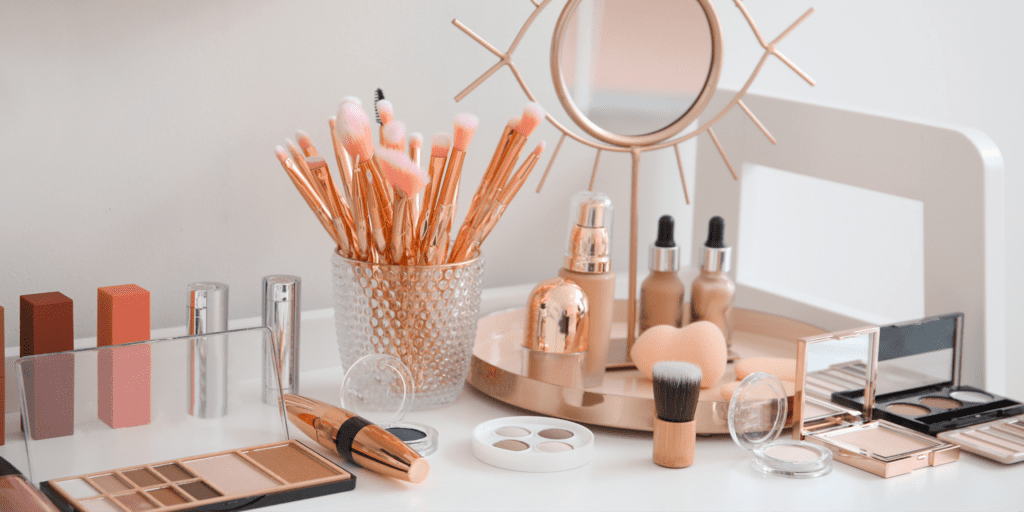
The reason most people end up with an overwhelming pile of expired products is simple: they never check.
Here’s the system fix: set a quarterly calendar reminder to do a quick 15-minute sweep of your collection. Catch things before they expire. Toss as you go instead of all at once.
Also worth revisiting: your shopping habits. The beauty industry is very good at convincing you to buy more than you need. Viral trends, influencer recommendations, “limited edition” launches — all designed to keep you buying. The smarter move is to build a small, intentional collection of products you love and actually finish.
If you want accountability on this, I run a no-buy challenge every November — one month of not purchasing any beauty products. It’s a reset, and it works. Get on my email list to join the next one.
Step 7: Know What You Actually Need
After all of this, you might realize your collection is much smaller than it was — and that’s a good thing.
If you’re rebuilding, you don’t need 30 products. You need 5–7 that work for your specific skin, lifestyle, and goals:
- SPF (non-negotiable)
- Foundation or tinted moisturizer
- Concealer
- Mascara
- Blush or bronzer (pick one to start)
- A brow product (if needed)
- A lip product
That’s a complete kit. Everything else is extra.
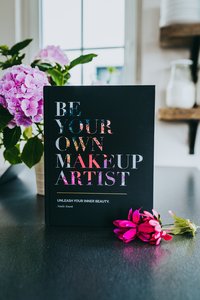
For more help building a collection that actually works — including how to find your undertone, match your foundation, and figure out which products your specific skin type needs — visit MakeupForBeginners.com or grab a copy of my book.
Closing
Spring cleaning your makeup collection isn’t really about decluttering. It’s about making space for a routine that actually works — for your skin, your lifestyle, and your confidence.
You don’t need more products. You need the right ones, in good condition, used with intention.
Go do the thing. Your skin will thank you.
Questions? Drop them in the comments below.
Ready to build a complete makeup education from the ground up? Check out Learn Makeup in 5 Days — a Makeup For Beginners course.
Bonus Video: Wash Your Brushes with Me!
Beauty is about perception, not about make-up. I think the beginning of all beauty is knowing and liking oneself. You can't put on make-up, or dress yourself, or do you hair with any sort of fun or joy if you're doing it from a position of correction.
kevyn aucoin